There’s a moment we’ve all had while gift shopping where the logic goes like this:
“If I spend more, it’ll feel more meaningful.”
It’s not a bad instinct. It’s just… incomplete.
Because price doesn’t always translate to thoughtfulness — and sometimes it sends a totally different message than you intended.
Price Isn’t the Same Thing as Intention
Money definitely communicates something. It’s just not always care.
An expensive gift can feel generous and thoughtful in the right context. In the wrong one, it can feel oddly heavy — like it’s carrying expectations the giver didn’t mean to attach.
Most people don’t open a gift and immediately think about the price. They think about the fit.
Does this feel like it was chosen for me — or chosen because it was impressive?
That difference shows up fast.
Why Spending More Feels Like the Safer Choice
People usually overspend when they’re unsure. Not because they’re flashy, but because they don’t quite trust their read on the situation.
Spending more feels like insurance. Like adding an extra sentence to an email so it doesn’t sound abrupt. It’s a way of saying, I really tried, even when you’re not confident the message will land.
Sometimes that works. Sometimes it just makes the moment louder without making it clearer.
What This Looks Like in Real Life
A Big, Obvious Occasion
For weddings, milestones, or major life moments, higher-priced gifts can make sense. They match the scale of the event — especially when they’re paired with something personal or intentional.
Without that layer of thought, even a generous gift can feel ceremonial. Correct, but distant.
A Relationship That’s… Complicated
When there’s tension, distance, or unresolved stuff, expensive gifts can feel like pressure. Instead of warmth, they introduce an imbalance no one asked for.
The recipient doesn’t feel cared for. They feel put on the spot.
Something Low-Stakes
In casual relationships, expensive gifts often feel out of proportion. The reaction isn’t gratitude — it’s confusion.
In these moments, relevance almost always does more work than cost.
Where Expensive Gifts Usually Miss
Expensive gifts tend to fall flat when they’re trying to solve the wrong problem. They’re often standing in for:
- familiarity that isn’t there yet
- confidence the giver doesn’t quite feel
- meaning that needed a little more thought, not a bigger budget
When a gift doesn’t land, it’s rarely because it was “too much.”
It’s because it didn’t quite say what the giver hoped it would.
Thoughtfulness comes from emotional awareness about your relationship — not price.
A Simple Example
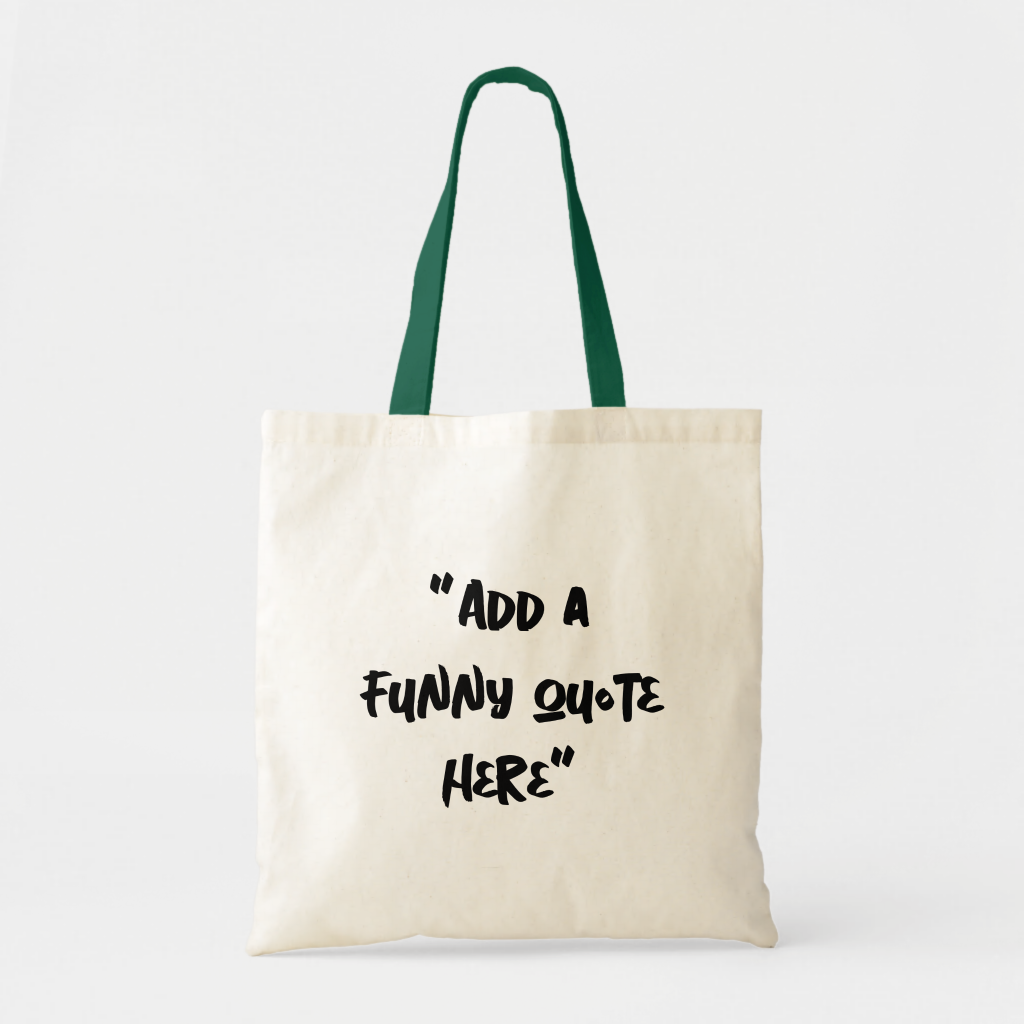
I once saw someone give a friend a $20 tote bag with an inside joke printed on it — something meaningless to anyone else, but instantly recognizable to the two of them. It wasn’t wrapped perfectly. It wasn’t presented with a speech. They both laughed, and you could see the instant connection. It was something she ended up using as almost artwork. It lived on a hook right beside her front door. It meant that much to her.
No one in the room even thought about the cost. But it landed because it reflected a shared moment, not a budget. It didn’t ask for a big reaction. It just felt like it belonged.
Why Simple, Thoughtful Choices Often Win
This is why inexpensive personalized gifts, like a basic tote with a shared inside joke, often land better than pricier options — the meaning comes from the reference, not the object.
The Reassuring Part
If you’ve ever worried that spending less might look careless, here’s the honest truth: most people aren’t tallying costs.
They’re noticing whether the gift feels considered.
And consideration doesn’t have a price tag.